
Accountability
Dr Naledi Pandor, Chair of the Nelson Mandela Foundation Board, has called on South African citizens and communities to develop a groundswell of civic action and hold government accountable on issues requiring urgent attention.
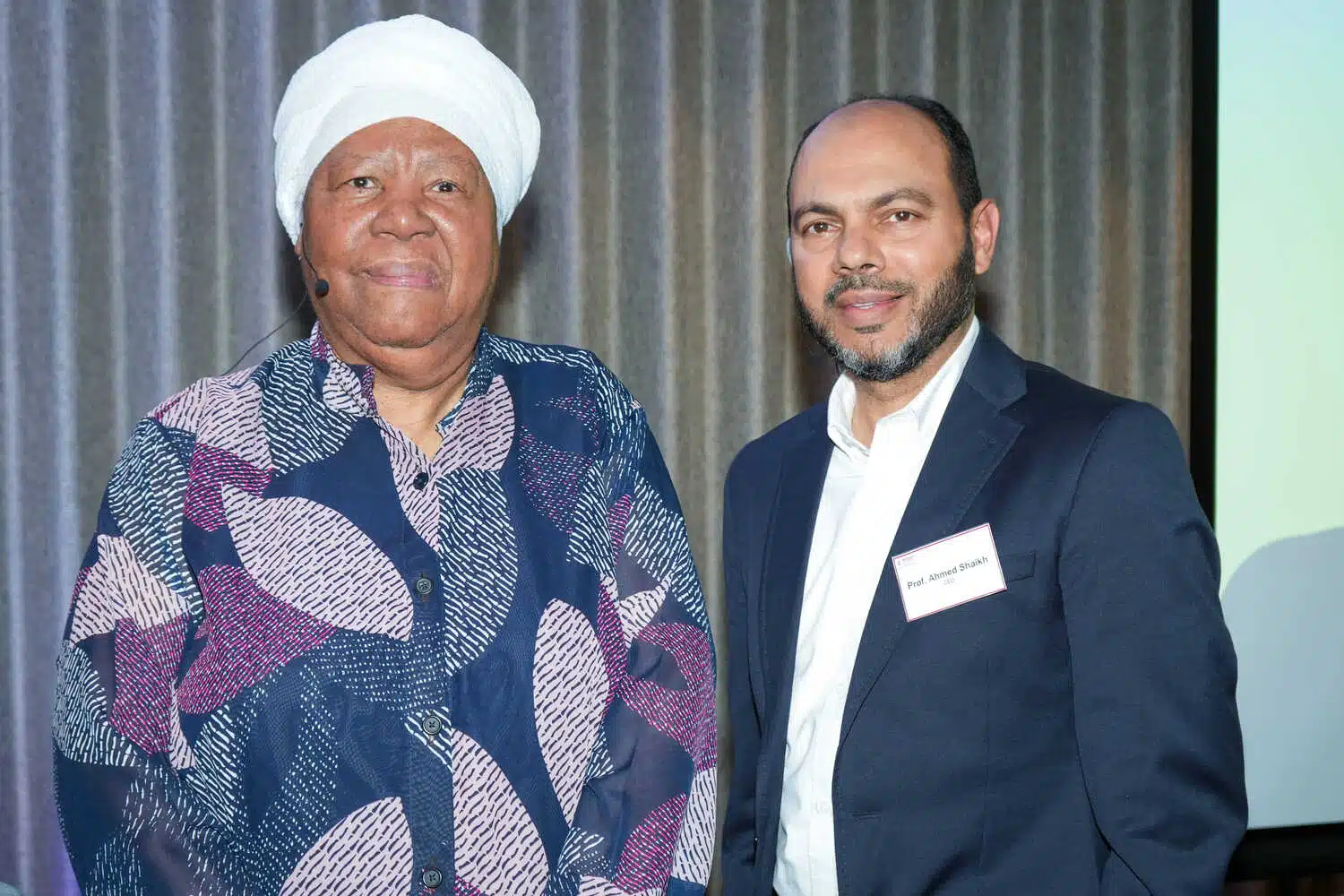
Dr Pandor made the remarks during a Critical Conversation hosted by Regent Business School in Cape Town on 8 May 2026, under the theme: Ethical Choices in Fragile Times: South Africa’s Role in Shaping Global Diplomacy, Development, and the Rising Global South
Global alliances
The event brought together business leaders, academics, diplomats, alumni and students for a discussion on ethics, values, diplomacy and South Africa’s foreign policy posture at a time of shifting global alliances, weakened multilateralism and rising contestation between powerful states.
Ethical choices
Dr Pandor’s address focused on the relationship between ethical choices and responsible leadership, and on the role that values play in shaping future behaviour, public institutions and society. She argued that global uncertainty cannot be separated from local responsibility, and that communities should not remain passive in the face of social, political and developmental challenges.
Reflecting on how international events are frequently interpreted through narrow national lenses driven by interests of dominance and control, Dr Pandor located South Africa’s role within this changing environment and emphasised the importance of principled diplomacy alongside the growing significance of the Global South as a force in world affairs.
The discussion also examined how ethical leadership, active citizenship and value-based decision-making can contribute to a more accountable society. Audience questions reflected concern about global conflict, inequality and the erosion of trust in public institutions, as well as the need for South Africa to respond to international pressures without losing sight of domestic development priorities.
Professor Ahmed Shaikh
Reflecting on the depth and relevance of the discussion, Professor Ahmed Shaikh, Chief Executive Officer of Regent Business School, said: “The significance of this conversation lay in its seriousness and urgency. It connected global instability with the ethical choices that leaders, institutions, and communities must confront every day. These are not abstract debates; they shape the moral direction of societies, the quality of our leadership and the responsibilities we carry in shaping a more just and accountable future.”
Dr Shahiem Patel
Dr Shahiem Patel, Academic Dean of Regent Business School, added: “Dr Pandor’s address reminded us that education must do more than prepare graduates for employment. It must prepare people to think ethically, act responsibly, and contribute meaningfully to society, particularly in fragile and uncertain times.”
The event formed part of Regent Business School’s Critical Conversations series, through which the institution creates space for informed public discussion on national and global issues with direct relevance to leadership, policy, education, diplomacy and society.
